My Work
“In my portfolio, you’ll find my published work, blog posts I’ve written, projects I’ve contributed to, and academic work. Additionally, you’ll learn more about my professional and academic background.”
Marketing Internship
I worked as Valley Cleaners marketing team to expand the companies reach and grow the costumer base. I conducted community outreach, created physical marketing materials, and worked to grow engagement on the companies social media platforms. I also came up with ideas and carried out plans for partnerships with out local businesses.
Writing Job
Through my job with The daily Emerald I got to write monthly articles for the special sections published in Duck Living Magazine. I came up with concepts for the pieces and collaborated with an editor and photographer to create a shared creative vision. This job enhanced my ability to pitch story ideas, collaborate effectively, and create a comprehensive piece from concept to completion.
Public Relations Campaign
I worked on a team to come up with a public relations campaign for a science podcast. We made a strategic plan on how to grow the podcasts reach and engagement through different communication channels. I worked mainly as a strategist and editor for this project. I finalized what our overall goal of the project was. I was also responsible for developing our strategies and what we wanted our main focus to me on. I also assisted in copy writing and editing for final client review.
Social Media Plan
I collaborated with a team to develop an in-depth social media plan to improve reach and engagement across platforms. I conducted a data analysis of all social media channels and created an eight week content calendar. I was able to gain insights from my analysis and gave strong recommendations for future posts.
Blog Posts
These are a couple of blog posts that I’ve written about various interests I have.
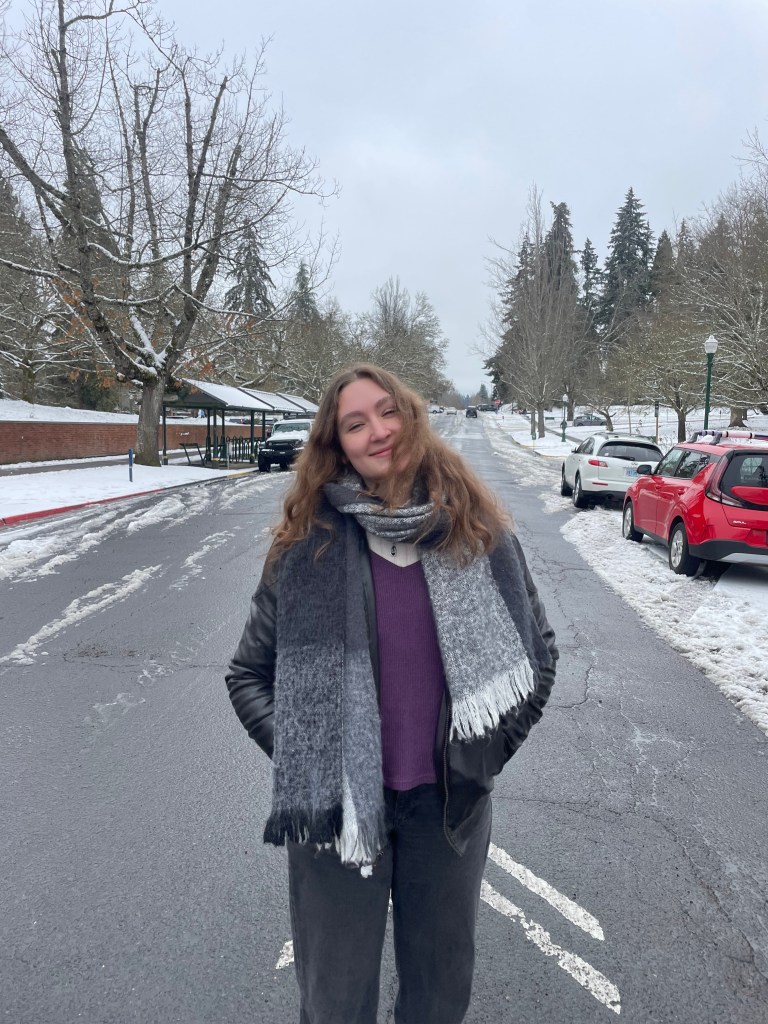
 Autumn Straus